Curved glass facade luxury villa Dubai by Glasser UAE
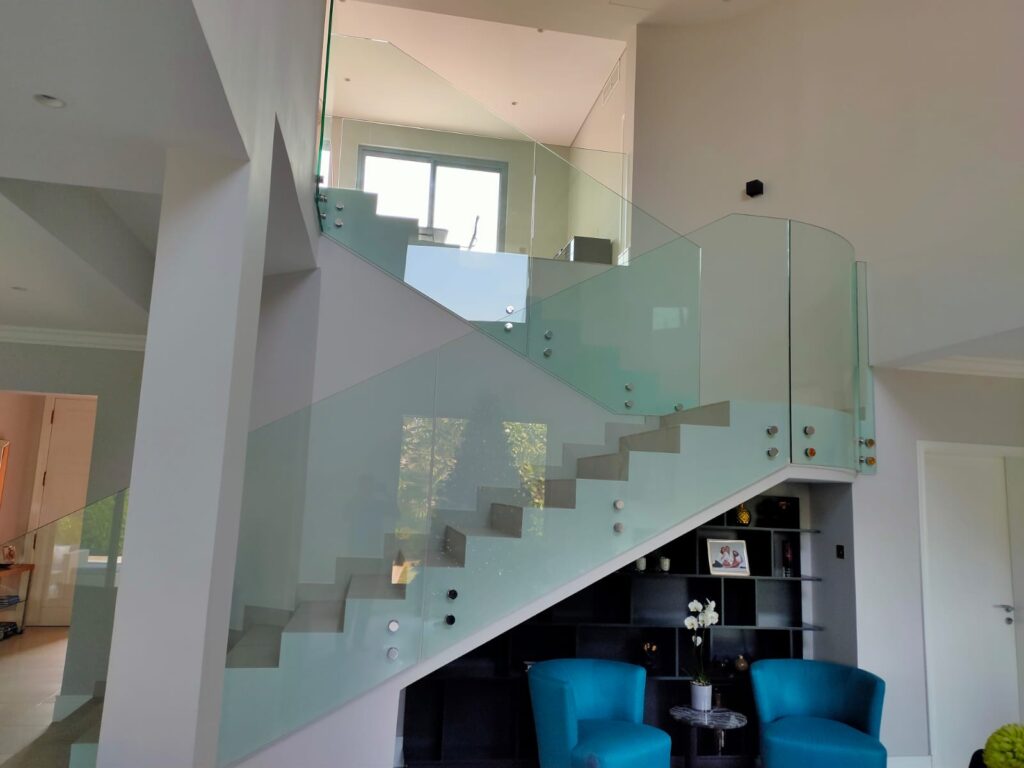
Curved Glass Solutions for Luxury Projects – Dubai Guide Curved Glass Solutions for Luxury Projects: The Ultimate Guide for Dubai Quick Answer: Curved glass solutions for luxury projects involve custom-fabricated, bent glass panels used in high-end residential and commercial developments to create seamless, fluid architectural forms. In Dubai, these solutions are increasingly popular for villa facades, commercial storefronts, balustrades, and curtain walls. Costs typically range from AED 400–1,200 per square foot depending on complexity, with lead times of 6–12 weeks for bespoke projects. Leading specialists like Glasser UAE provide end-to-end services from design consultation through fabrication and installation. Dubai’s skyline is a testament to architectural ambition. From the sweeping curves of the Burj Al Arab to the twisted form of the Wasl Tower, the city has consistently pushed the boundaries of what is possible in building design. At the heart of this architectural revolution lies an increasingly essential material: curved glass. Curved glass solutions for luxury projects have become the defining feature of Dubai’s most prestigious developments. Whether it is the 56-metre curved storefront of the Apple Dubai Mall, the curved glass corners of Dubai Harbour Residences, or the bespoke curved foyer cladding of Palm Hills Villa 42, curved glass delivers an aesthetic that flat glass simply cannot match. For developers, architects, and homeowners undertaking luxury projects in the UAE, understanding the capabilities, costs, and considerations of curved glass is essential. This comprehensive guide explores everything you need to know about curved glass solutions for luxury projects in Dubai, from fabrication techniques to pricing guidance and project applications. What Is Curved Glass? Curved glass, also known as bent glass, is glass that has been shaped through a controlled heating and cooling process to achieve a specific radius or curvature. Unlike flat glass, which is planar, curved glass can take on cylindrical, spherical, or free-form shapes, enabling architects to realise organic, fluid designs. Types of Curved Glass Type Description Best For Hot-Bent Glass Glass heated to softening point (approx. 600°C) and shaped over a mould Tight radii, complex curves, high precision requirements Cold-Bent Glass Glass bent at ambient temperature using structural framing Large-radius curves, cost-effective solutions, Wasl Tower-style facades Double-Curved Glass Glass curved in two directions simultaneously Iconic projects like The Opus by Zaha Hadid Curved Tempered Glass Thermally toughened curved glass for safety applications Balustrades, shower enclosures, structural glazing Curved Laminated Glass Two or more glass layers bonded with an interlayer Safety-critical applications, acoustic performance Key Properties Aesthetic versatility: Enables seamless, flowing architectural forms Structural integrity: Can be engineered to bear significant loads Thermal performance: Compatible with Low-E coatings and insulated glass units Safety: Available in tempered and laminated configurations Durability: Resistant to Dubai’s extreme climate when properly specified Why Curved Glass Dominates Dubai’s Luxury Architecture Dubai’s luxury real estate market demands distinction. Curved glass solutions for luxury projects deliver this distinction in several ways. 1. Uninterrupted Panoramic Views One of the primary drivers for curved glass in luxury developments is the pursuit of uninterrupted views. As Fadi Jabri, CEO of Nikken Sekkei Dubai, noted regarding Dubai Harbour Residences: “The building’s curved glass corners promise uninterrupted panoramic views of the sea and the city”. Curved glass eliminates the visual interruptions caused by mullions and frames, creating a seamless visual experience. 2. Fluid, Organic Aesthetics Dubai’s most iconic buildings embrace fluidity. The Wasl Tower, designed by UNStudio, uses cold-bent glazing to follow the tower’s curvature “without breaking the visual continuity”, resulting in “a façade that reads as fluid, despite its complexity”. This fluid aesthetic is increasingly demanded by high-net-worth individuals seeking homes and commercial spaces that reflect contemporary design sensibilities. 3. Natural Light Optimisation Curved glass can be strategically oriented to optimise natural light penetration while managing solar heat gain. The Apple Dubai Mall’s 11-metre-high curved glass facade incorporates “a high performance thermal coating which works in conjunction with the shading shutters as part of the energy management strategy”. 4. Property Value Enhancement Properties featuring curved glass elements command premium prices in Dubai’s competitive real estate market. The distinctive aesthetic and technical sophistication of curved glass signals luxury and exclusivity, making it a worthwhile investment for developers and homeowners alike. Applications of Curved Glass in Luxury Projects Curved glass solutions for luxury projects span a wide range of applications across residential, commercial, and hospitality sectors. Luxury Villa Facades Dubai’s most prestigious villas increasingly feature curved glass walls that blur the boundary between indoors and outdoors. The Al Khawaneej Organic Villa, for example, is defined by “curved glass walls that create a seamless dialogue between the natural stone exterior and the lush surrounding landscape”. Floor-to-ceiling curved glass facades are now a hallmark of ultra-luxury residential design in communities like Palm Jumeirah, Emirates Hills, and Dubai Hills Estate. Commercial Storefronts Retail luxury demands visual impact. The 56-metre curved storefront at Apple Dubai Mall and the curved glass wall showcases in Dubai’s high-end shopping malls demonstrate how curved glass creates memorable retail experiences that attract and engage customers. Balustrades and Railings Curved glass balustrades offer safety without sacrificing views. The flagship store in Dubai Mall features “18 curved glass panels with a non-visible steel shoe” for its internal and external balustrades, achieving a clean, minimalist aesthetic. Curtain Walls and Facades Large-scale curved glass curtain walls are defining Dubai’s commercial skyline. The Opus project by Zaha Hadid Architects features a “fully engineered curved glass curtain wall” with 3D double-curved glazing. Interior Design Elements Beyond exteriors, curved glass is increasingly used for: Curved glass partitions Feature walls and cladding Shower enclosures Curved mirrors Glass staircases Curved Glass Fabrication: How It Works Understanding the fabrication process helps project stakeholders appreciate the craftsmanship and technical expertise required for curved glass solutions for luxury projects. The Hot-Bending Process Hot-bending remains the most common method for producing curved glass. The process involves: Cutting: Flat glass is cut to the required size Heating: Glass is heated in a furnace to approximately 600°C, reaching its softening point Shaping: The softened glass is formed over a mould or between rollers to achieve
Glass Handrails Dubai: Ultimate Guide to Safety, Style & Cost
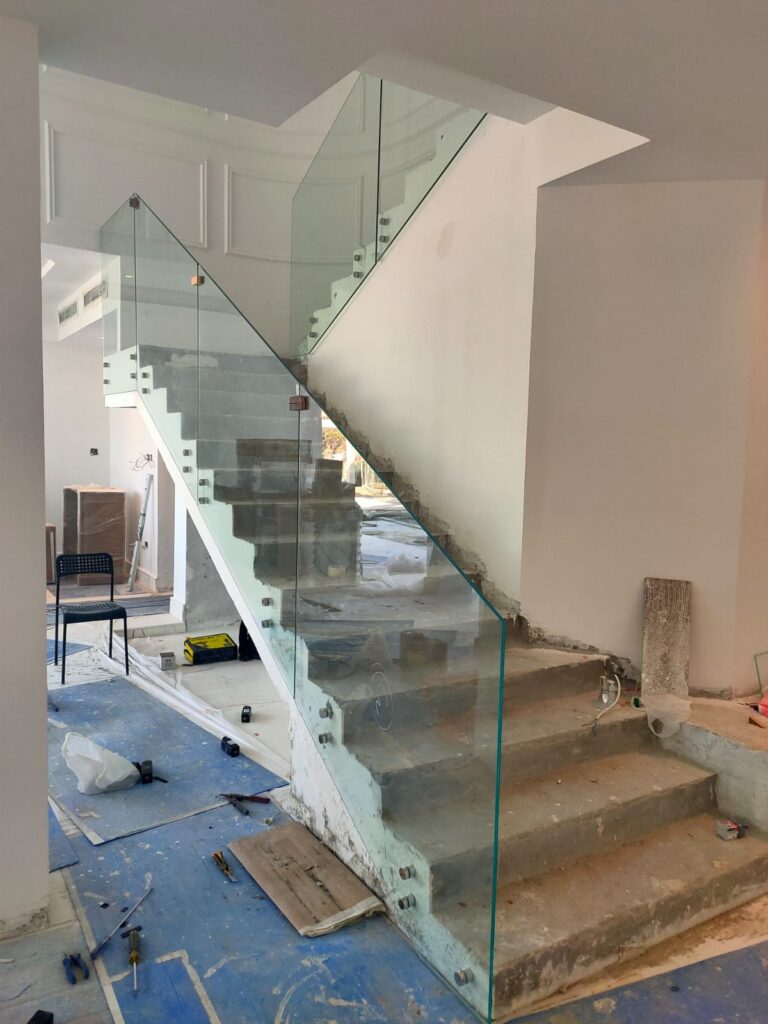
Glass Handrails Dubai: Ultimate Guide to Safety, Style & Cost Glass Handrails Dubai: The Ultimate Guide to Safety, Style & Cost (2026) Glass handrails Dubai have become the defining feature of modern architecture across the emirate, seamlessly blending safety with contemporary elegance. From luxury villas in Palm Jumeirah to high-rise commercial towers in Downtown Dubai, glass handrails offer unobstructed views, abundant natural light, and a sophisticated aesthetic that traditional materials simply cannot match. This comprehensive guide covers everything you need to know about glass handrails in Dubai—from building code requirements and costs to design options and maintenance. Quick Answer: What You Need to Know About Glass Handrails in Dubai Glass handrails Dubai are safety barriers made from tempered or laminated glass, typically combined with stainless steel or aluminum fittings. They are used for staircases, balconies, terraces, pool enclosures, and commercial spaces. In Dubai, glass handrails must comply with the Dubai Universal Design Code and UAE Fire & Life Safety Code, requiring a minimum height of 1200mm, reinforced glass capable of withstanding a 200‑pound concentrated load, and specific visibility markings. Costs typically range from AED 500–1,500 per linear meter depending on design complexity and materials. Professional installation by certified contractors is essential to ensure safety compliance and longevity. What Are Glass Handrails? Glass handrails are transparent or semi-transparent safety barriers made from toughened safety glass, often combined with stainless steel, aluminum, or wooden frames. They are designed to provide protection at elevated areas while maintaining maximum visibility and light transmission. Key Components of a Glass Handrail System Glass panels: Tempered or laminated safety glass in various thicknesses Handrail top rail: Typically stainless steel, aluminum, or wood Support posts or clamps: Stainless steel or aluminum fixtures Base shoes or channels: Floor-mounted or wall-mounted fixing systems Spigots or standoffs: Point-fixed glass support systems Types of Glass Handrail Systems Type Description Best For Frameless Glass Handrails Glass panels held by clamps or spigots with no visible frame; offers unobstructed views and a minimalist look Luxury villas, high-end commercial spaces, panoramic view properties Framed Glass Handrails Glass panels enclosed in a metal frame; provides additional structural support High-traffic areas, outdoor installations, budget-conscious projects Semi-Frameless Glass Handrails Glass with a top rail but no bottom rail; balances aesthetics with structural integrity Staircases, balconies, modern residential projects Point-Fixed Glass Handrails Glass secured by spigots at specific points; creates a sleek, modern appearance Commercial buildings, contemporary architecture Why Choose Glass Handrails in Dubai? 1. Unobstructed Views Dubai’s skyline, coastline, and desert landscapes are world-renowned. Glass handrails allow you to enjoy these views without visual interruption. Whether you own a beachfront villa or a high-rise apartment, glass railings provide panoramic sightlines that enhance the living experience. 2. Natural Light Maximization Glass handrails allow natural light to flow freely through spaces, reducing the need for artificial lighting during daytime hours. This creates brighter, more inviting interiors and can contribute to energy savings. 3. Modern Aesthetics Glass handrails align perfectly with Dubai’s contemporary and minimalist architectural trends. They add a luxurious and refined touch to both interiors and exteriors, increasing property value and market appeal. 4. Safety and Durability Despite their delicate appearance, glass handrails are made from tempered or laminated safety glass capable of withstanding significant impact and extreme weather conditions. This makes them ideal for Dubai’s hot, sandy climate and high-traffic environments. 5. Low Maintenance Glass handrails are easy to clean and maintain. Unlike wood or metal railings, they do not require painting, sealing, or corrosion treatment. Regular cleaning with mild detergent and water keeps them looking pristine. 6. Allergen-Free Environment The non-porous surface of glass does not trap dust, pollen, or other allergens—a significant advantage during Dubai’s frequent sandstorms. Dubai Building Codes and Safety Regulations for Glass Handrails Compliance with local building codes is mandatory for all glass handrail installations in Dubai. The key regulatory frameworks include: Dubai Universal Design Code (DUDC) Handrail height: Handrails must be mounted at a height of 900mm, with an additional handrail at 650–750mm where required Continuous handrails: Stairs and ramps with a level change greater than 500mm must have continuous handrails on both sides Gripping surface: Handrails must have a circular section of 30–40mm diameter or equivalent gripping surface Wall clearance: Handrails must be separated from the wall surface by at least 40mm Contrast requirements: Handrails must have a reflectance contrast of at least 30 LRV points against their background Glass surface markings: Two horizontal bands of 100mm height with 50 LRV contrast are required—first band between 1400–1600mm and second between 850–1000mm UAE Fire & Life Safety Code (Annexure B.1) Guard requirement: Guards are required for any space elevated 760mm (30 inches) above finished grade level Minimum height: Balcony and terrace railings must be at least 1200mm (47.2 inches) from finished floor level Baluster openings: Separation between vertical posts must not exceed 100mm (4 inches) Bottom gap: Any gap between the finished floor and the bottom of the railing must not exceed 100mm Load requirements: The handrail and guard assembly must withstand a single concentrated load of 200 pounds (0.89 kN) applied in any direction Glass specifications: Glass panels must be reinforced glass capable of withstanding a 200-pound load applied in any direction Horizontal elements: Climbable features must not be installed up to 760mm height Dubai Municipality Requirements Glass type: Use of two or more ply laminated glass of equal thickness is required for safety enhancement Professional installation: Installation must be carried out by experienced professionals to ensure compliance and safety Glass Handrails Dubai: Cost and Pricing Guide The cost of glass handrails in Dubai varies significantly based on design complexity, materials, and project size. Estimated Cost Ranges (2026) System Type Price Range (AED per linear meter) Basic framed glass handrail 500 – 800 Semi-frameless with top rail 700 – 1,100 Frameless with clamps/spigots 900 – 1,500+ Custom curved or specialty glass 1,200 – 2,500+ Note: These are indicative prices. Final costs depend on glass thickness, hardware quality, installation complexity, and project location. Factors Affecting Cost Glass type: Tempered glass is
Tempered vs Laminated Glass: Complete Safety Guide Dubai 2026
Quick Answer: Tempered glass (toughened) is heat-treated to be 4–5 times stronger than standard glass. It shatters into small blunt pieces when broken. Laminated glass consists of two or more glass layers bonded with a PVB interlayer – it cracks but stays in place when broken. Choose tempered for cost-effective interior applications; choose laminated for overhead glazing, balustrades, security, and soundproofing. For many Dubai projects, combining both is the optimal solution. 1. Introduction: Understanding Safety Glass in Dubai In Dubai’s advanced construction landscape, glass is no longer just a design element – it is a critical safety component[reference:142]. From the soaring façades of Sheikh Zayed Road to luxury villa developments in Palm Jumeirah, glass defines the aesthetic and functional character of modern architecture across the UAE. When selecting glass for any project – whether a commercial high-rise, a residential villa, or an office fit-out – the choice between tempered vs laminated glass is one of the most important decisions you will make. Both are classified as safety glass, but they behave very differently under stress, impact, and breakage[reference:143]. Dubai’s building codes and the UAE Fire & Life Safety Code of Practice mandate strict safety standards for glass installations[reference:144]. Glass used in buildings must comply with international standards including BS EN 12600 for impact resistance and BS 6206 for safety classification[reference:145]. 2. What is Tempered Glass? Tempered glass – also known as toughened glass – is a type of safety glass that undergoes a controlled thermal or chemical treatment to significantly enhance its strength compared to standard annealed glass[reference:146]. 2.1 Manufacturing Process The tempering process involves several precise steps[reference:147]: This process creates glass that is approximately 4 to 5 times stronger than regular annealed glass of the same thickness[reference:152]. 2.2 Key Properties of Tempered Glass Property Description Strength 4–5× stronger than annealed glass[reference:153] Breakage Pattern Shatters into small, blunt, pebble-like fragments[reference:154] Thermal Resistance Excellent resistance to temperature swings and thermal stress[reference:155] Post-Breakage Falls out of frame immediately – no residual barrier[reference:156] Sound Insulation Poor – single pane offers minimal acoustic reduction UV Protection Minimal unless coated[reference:157] Cost Lower – simpler to produce and install[reference:158] 3. What is Laminated Glass? Laminated glass is a type of safety glass created by bonding two or more layers of glass with a resilient interlayer – most commonly polyvinyl butyral (PVB)[reference:159]. This interlayer is the key to its unique safety performance[reference:160]. 3.1 Manufacturing Process The lamination process involves[reference:161][reference:162]: 3.2 Key Properties of Laminated Glass Property Description Strength Strong, especially when made with tempered plies[reference:166] Breakage Pattern Cracks but stays in place – spiderweb pattern[reference:167] Post-Breakage Remains as a barrier – holds fragments together[reference:168][reference:169] Sound Insulation Excellent – reduces noise by ~10 decibels[reference:170] UV Protection Blocks up to 99% of UV radiation[reference:171][reference:172] Cost Higher due to complexity[reference:173] Security Resists penetration and forced entry[reference:174] 4. Tempered vs Laminated Glass: Head-to-Head Comparison 4.1 Comprehensive Comparison Table Category Tempered Glass Laminated Glass Definition Single pane, heat-treated for strength Two+ glass layers bonded with PVB interlayer[reference:175] Strength 4–5× stronger than annealed glass[reference:176] Strong, especially with tempered plies[reference:177] Breakage Pattern Shatters into small blunt pieces[reference:178] Cracks but stays in place (spiderweb)[reference:179] Post-Breakage Safety Falls out – no barrier remains[reference:180] Remains as barrier – holds fragments[reference:181] Impact Resistance Excellent for single high impacts[reference:182] Good – resists penetration, withstands repeated blows[reference:183] Thermal Resistance Excellent – handles temperature swings[reference:184] Moderate (unless tempered plies used)[reference:185] Sound Insulation Poor Excellent – reduces ~10 dB[reference:186] UV Protection Minimal unless coated[reference:187] Blocks up to 99% UV[reference:188] Security Moderate – shatters completely High – resists forced entry[reference:189] Cost Lower – simpler production[reference:190] Higher – complex manufacturing[reference:191] Safety Rating (BS 6206) Class A (highest)[reference:192] Class A or B (depends on thickness)[reference:193] 5. Dubai Building Regulations and Safety Standards Dubai’s building industry operates under strict safety regulations. Key standards include: 6. Application Guide: Which Glass for Which Project? Application Recommended Glass Rationale Interior office partitions Tempered Cost-effective, strong, meets safety standards[reference:198] Shower enclosures Tempered Thermal resistance, safety shatter pattern Skylights & overhead Laminated Post-breakage containment[reference:199] Balcony balustrades Laminated (or tempered+laminated) Fall protection – must remain as barrier[reference:200] Storefronts Laminated Security, forced entry resistance Conference rooms Laminated Sound insulation, privacy[reference:201] Glass floors Laminated Structural integrity, safety 7. Cost Comparison: Tempered vs Laminated Glass in Dubai Glass Type Price Range (AED/sqm installed) Application Tempered Glass Partition AED 350 – 600[reference:202] Standard office partitions Laminated Glass Partition AED 500 – 900[reference:203] Soundproofing, security 10mm Tempered Glass AED 550 – 750[reference:204] Doors, windows 12mm Tempered Glass AED 650 – 850[reference:205] Heavy-duty applications Double-Glazed Partition AED 800 – 1,500[reference:206] Maximum insulation 8. Frequently Asked Questions (FAQs) 1. What is the main difference between tempered and laminated glass? The main difference is composition and breakage behaviour[reference:207]. Tempered glass is a single pane that shatters into small pieces. Laminated glass consists of two or more layers bonded with a PVB interlayer that holds the glass together even when cracked[reference:208]. 2. Which is stronger – tempered or laminated glass? Tempered glass is stronger in raw impact resistance – it is 4–5 times stronger than annealed glass[reference:209]. However, laminated glass resists penetration better and holds together under repeated impacts[reference:210]. 3. Which glass is safer for balconies and railings in Dubai? Laminated glass is significantly safer[reference:211]. While tempered glass shatters and falls away, laminated glass cracks but remains in place, preventing falls[reference:212]. Dubai regulations often require laminated glass for these applications[reference:213]. 4. Can laminated glass be tempered? Yes – this is called tempered laminated glass and combines the strength of tempering with the safety retention of lamination[reference:214]. 5. How much does tempered glass cost in Dubai? Tempered glass partitions cost AED 350–600 per square metre installed[reference:215]. 10mm tempered glass costs AED 550–750/sqm and 12mm costs AED 650–850/sqm[reference:216]. 6. How much does laminated glass cost in Dubai? Laminated glass partitions cost AED 500–900 per square metre installed[reference:217]. Acoustic laminated glass can range from AED 1,250–2,900/sqm[reference:218]. 7. Which glass is better for soundproofing? Laminated glass is far superior. It can reduce noise by approximately 10 decibels thanks to the PVB interlayer[reference:219]. 8. Is
Glass Partition Dubai: The Complete Frameless Buyer’s Guide
Frameless Glass Partitions in Dubai: The Complete Buyer’s Guide Choosing a glass partition Dubai property owners can rely on means balancing design, privacy, acoustics, safety and budget — often within a fit-out deadline. A glass partition divides a space without closing it off, keeping natural light moving through offices, villas and retail units while still defining separate zones. This guide walks you through every decision: frameless versus framed systems, glass thickness and safety ratings, acoustic and smart-glass upgrades, realistic installed prices for the UAE market, and how to vet a supplier before you sign. Quick Answer A frameless glass partition uses 10mm or 12mm tempered safety glass held by discreet floor and ceiling channels or patch fittings, with no visible vertical frame. In Dubai, expect installed prices of roughly AED 350–650 per square metre for standard frameless single-glazed partitions, rising to AED 700–1,400 per square metre for acoustic double-glazed units and AED 3,000+ per square metre for switchable smart glass. For offices, prioritise acoustic performance; for homes, prioritise frameless aesthetics and easy-clean coatings. Always insist on tempered or laminated safety glass and a proper site survey before ordering. What Are Frameless Glass Partitions? A frameless glass partition is a vertical glass screen that separates two areas using minimal hardware — typically a slim aluminium U-channel at the floor and ceiling, plus stainless steel patch fittings or spider clamps where doors or panel joints occur. Because there are no bulky vertical mullions, the glass appears to float, which is why these systems dominate premium office fit-outs and high-end villas across Dubai. The structural work is done by the glass itself, so the panel must be a safety glass — usually 10mm or 12mm toughened (tempered) glass. Panel joints are sealed with clear structural silicone, and where two panels meet, a polished or ground edge keeps the join crisp. The result is an uninterrupted glass wall that carries light and views from one zone to the next. Why Glass Partitions Are in Demand Across Dubai Dubai’s commercial and residential design favours daylight, openness and clean lines, and a glass partition delivers all three. In office fit-outs, landlords and tenants use glass partitions to create meeting rooms and director cabins without darkening the floor plate or triggering a full drywall build. That speed matters when fit-out timelines are tight and approvals are running in parallel. Daylight retention: open-plan layouts keep borrowed light, reducing reliance on artificial lighting. Flexibility: demountable systems can be relocated when a lease changes, unlike fixed masonry walls. Acoustic control: double-glazed and laminated options give meeting rooms genuine speech privacy. Brand and resale appeal: a glass-walled office or villa reads as modern and well finished to clients and buyers. Hygiene and maintenance: non-porous glass wipes clean, which suits clinics, salons and food-adjacent spaces. Types of Glass Partitions Available in Dubai Frameless Glass Partitions The cleanest look on the market. Single panels of tempered glass run floor to ceiling with hardware kept to a minimum. Ideal for director cabins, villa living areas and showrooms where the brief is “as much glass, as little metal as possible.” Privacy is added later with frosted film, ceramic frit printing or a manifestation band rather than a frame. Framed and Slim-Framed Partitions Aluminium-framed systems wrap each panel in a profile. Slim or “minimal” framed partitions — popular in industrial-style offices — use a thin black or bronze frame as a design feature. Framed systems are typically more economical, easier to demount and relocate, and forgiving on uneven floors and ceilings. Double-Glazed and Acoustic Partitions Two glass panes with a sealed air cavity, sometimes with one laminated acoustic pane, sharply cut sound transfer between rooms. These are the right choice for boardrooms, consulting clinics, HR offices and recording-sensitive spaces. Acoustic systems are rated by their sound reduction index (Rw, in decibels) — a single 10mm pane might offer around 32–35 dB, while a well-built double-glazed acoustic partition can reach the mid-40s dB. Switchable (Smart) Glass Partitions Switchable glass uses a PDLC film laminated inside the glass that turns from clear to opaque at the flick of a switch. It gives on-demand privacy without blinds, which suits executive offices, premium clinics and luxury homes. It is the most expensive partition type and depends on a reliable power feed, so plan the wiring early in the fit-out. Partition Type Best For Privacy Acoustics Relative Cost Frameless single-glazed Showrooms, villas, director cabins Add-on film/frit Basic Medium Slim-framed Open-plan offices, retail Optional Basic Low–Medium Double-glazed acoustic Boardrooms, clinics, HR Good High High Switchable smart glass Executive offices, luxury homes On demand Medium–High Premium Choosing the Right Glass: Thickness, Safety and Specs Tempered vs Laminated Both are safety glasses, but they fail differently. Tempered (toughened) glass is heat-treated so that, if broken, it shatters into small blunt granules — the standard choice for frameless partitions and doors. Laminated glass bonds two panes with an interlayer; when broken, fragments stay stuck to the film, so it holds together. Laminated and laminated-acoustic glass is preferred where sound control or extra retention matters. Many premium partitions combine both: a toughened-laminated build. Tempered safety glass is typically manufactured to recognised standards such as EN 12150, while laminated safety glass follows EN 14449 / EN ISO 12543, and impact safety is classified under EN 12600. Ask your supplier which standards their glass is certified to — reputable Dubai fabricators will state this on the quotation. Recommended Thickness 10mm tempered: the workhorse for most frameless office and home partitions up to standard ceiling heights. 12mm tempered: recommended for taller panels, wide spans, or where a hinged frameless glass door is integrated. Double-glazed (e.g., 10–10mm with cavity): for acoustic and thermal performance. Laminated 11.52mm (5+5): where retention or higher acoustic ratings are needed. Glass Partition Cost in Dubai (Pricing Guide) Pricing for a glass partition in Dubai depends on glass type and thickness, hardware finish, door count, panel size and site conditions, so treat the figures below as indicative market ranges rather than fixed quotes. The only
Glass & Aluminium Specialists in Dubai
Glass Doors Dubai | Complete Buying Guide | Glasser UAE Glass Doors Dubai: Complete Buying Guide Quick Answer: Glass doors are ideal for Dubai homes and offices because they maximize natural light, provide a modern appearance, and can be customized with tempered, laminated, acoustic, or double-glazed glass depending on safety, privacy, and energy-efficiency requirements. Primary Keyword: Glass Doors Dubai Introduction Glass Doors Dubai solutions have become one of the most popular architectural choices for villas, apartments, offices, retail stores, hotels, and commercial buildings. They create an open, elegant environment while maintaining durability and safety when manufactured using premium-quality tempered or laminated safety glass. Types of Glass Doors Frameless Glass Doors Sliding Glass Doors Pivot Glass Doors Automatic Glass Doors Bi-Fold Glass Doors Office Glass Doors Comparison Table Door Type Best For Benefits Frameless Luxury Interiors Minimalist appearance Sliding Balconies Space saving Pivot Entrances Premium aesthetics Automatic Commercial Convenience Estimated Dubai Pricing Door Estimated Price (AED) Frameless Glass Door 900–2,500+ Sliding Glass Door 1,500–4,500+ Automatic Glass Door 5,000–15,000+ Frequently Asked Questions Which glass is safest? Tempered or laminated safety glass. Can glass doors reduce noise? Yes, acoustic laminated options are available. Are they suitable for villas? Yes. How long does installation take? Usually 1–3 days depending on scope. Can doors be customized? Yes. Do they require maintenance? Minimal routine cleaning and hardware inspection. Internal Link Suggestions Glass Partitions Acoustic Glass Glass Shower Enclosures Aluminium Doors & Windows Glass Balustrades Authoritative References Dubai Municipality Building Regulations ASTM International Glass Standards International Building Code (IBC) Call to Action Contact Glasser UAE for a free site survey and quotation for premium glass door solutions across Dubai and the UAE. Yes, acoustic laminated options are available. Are they suitable for villas? Yes. How long does installation take? Usually 1–3 days depending on scope. Can doors be customized? Yes. Do they require maintenance? Minimal routine cleaning and hardware inspection. Our comprehensive range includes glass partitions, acoustic glass, glass shower enclosures, and aluminum doors and windows, ensuring tailored solutions for every architectural need. For further guidance, please refer to the Dubai Municipality Building Regulations and ASTM International Glass Standards. Contact **Glasser UAE** for a free site survey and quotation for premium glass door solutions across Dubai and the UAE.
The Ultimate Guide to Glass Partitions in Dubai: Transform Your Space with Elegance & Functionality
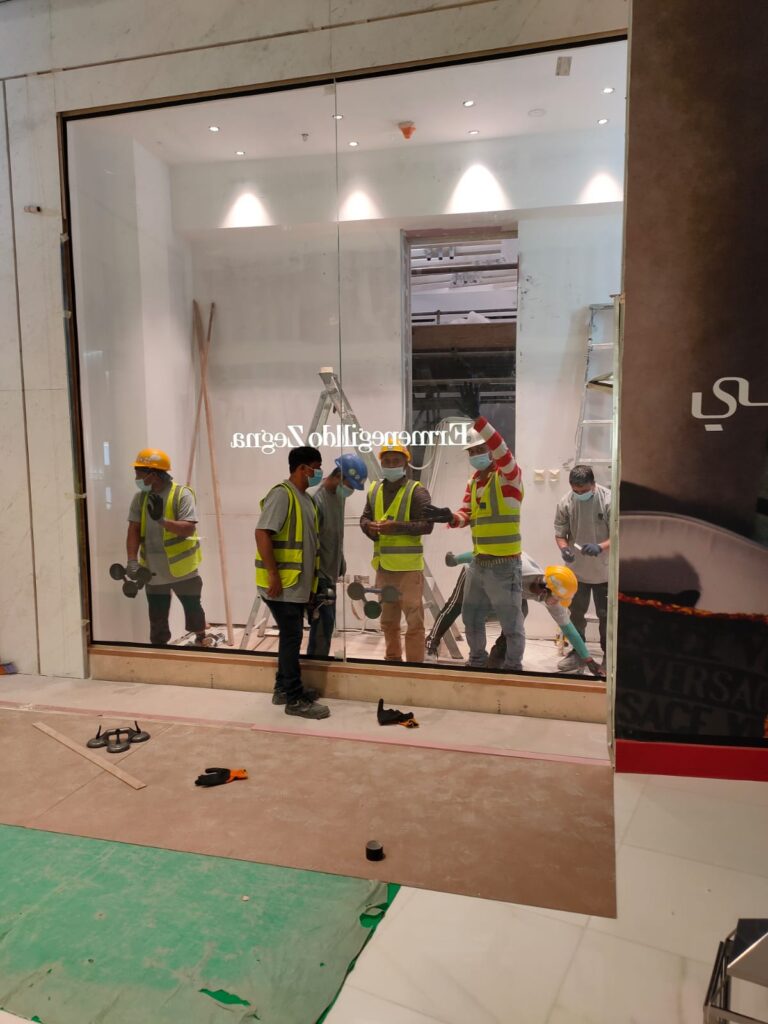
Glass Partitions Dubai | Premium Office & Home Glass Walls | Glasser UAE The Ultimate Guide to Glass Partitions in Dubai: Transform Your Space with Elegance & Functionality In the heart of the UAE, where architectural innovation meets luxury living, the way we design our interiors is constantly evolving. Gone are the days when dark, cramped spaces defined our offices and homes. Today, the trend is towards openness, light, and seamless sophistication. At the forefront of this design revolution is the glass partition—a versatile, stylish, and practical solution that is redefining spaces across Dubai. Whether you are looking to create a productive office environment or a luxurious residential retreat, glass partitions offer the perfect blend of form and function. This comprehensive guide explores everything you need to know about glass partitions in Dubai, from their myriad benefits to the different types available and why they are the preferred choice for modern interiors. What Are Glass Partitions? Glass partitions are non-load-bearing walls made primarily of glass, used to divide interior spaces into distinct areas without the permanence and visual obstruction of traditional drywall or brick. They serve as elegant room dividers that allow light to flow freely, creating an illusion of space while providing necessary separation. These versatile systems can be configured as floor-to-ceiling installations, partial dividers, or even movable walls, offering unprecedented flexibility in interior design. In Dubai’s competitive real estate and business landscape, glass partitions have emerged as a hallmark of contemporary design, prized for their ability to enhance aesthetics, maximize natural light, and optimize available space. Why Glass Partitions Are Booming in Dubai Dubai’s commercial and residential sectors are increasingly prioritizing natural daylight, space efficiency, modern aesthetics, and flexible layouts. According to a 2025 commercial interior trends report, over 68% of new office fit-outs in Dubai now incorporate glass partition systems instead of solid walls. This trend is driven by a recognition that glass partitions not only elevate the visual appeal of a space but also contribute to employee well-being, energy savings, and overall property value. As Dubai continues to position itself as a global hub for business and luxury living, the demand for glass partitions is set to grow even further. Key Benefits of Installing Glass Partitions Abundant Natural Light Dubai is renowned for its abundant sunshine. Glass partitions allow this natural light to penetrate deep into interior spaces, reducing the reliance on artificial lighting. This not only creates a warm and inviting atmosphere but also offers significant energy savings. Studies have shown that exposure to natural light boosts serotonin levels, improving mood, sleep quality, and productivity. In a bustling city like Dubai, bringing the outdoors in through glass partitions can create a serene and uplifting environment. Enhanced Spatial Perception Traditional walls can make even the largest rooms feel cramped and confined. Glass partitions, on the other hand, create a seamless transition between areas, making spaces feel more open and airy. This optical illusion of expanded space is invaluable, especially in urban settings where square footage is at a premium. By removing visual barriers, glass partitions foster a sense of connectivity and flow, whether in an open-plan office or a modern apartment. Design Versatility Glass partitions come in a stunning array of styles, finishes, and configurations to suit any aesthetic. From crystal-clear frameless glass partitions for a minimalist, high-end look to framed glass partitions offering robust structural support, the possibilities are endless. You can choose from frosted, tinted, patterned, or even back-painted glass to achieve the perfect balance between privacy and openness. This versatility makes glass partitions an ideal choice for any design theme, from ultra-modern corporate offices to luxurious residential villas in areas like Emirates Hills and Palm Jumeirah. Acoustic Performance Contrary to the myth that glass offers poor sound insulation, modern glass partition systems are engineered to provide exceptional acoustic performance. Acoustic glass partitions utilize specialized laminated glass and advanced framing systems to significantly reduce noise transfer. Depending on the configuration, acoustic glass can reduce sound transmission by 35 to 50 decibels, creating quiet, focused, and confidential spaces essential for boardrooms, meeting rooms, and executive offices. This makes them a superior alternative to traditional walls in high-traffic commercial environments. Easy Maintenance In Dubai’s fast-paced environment, low-maintenance solutions are highly valued. Glass partitions are exceptionally easy to clean and maintain. A simple wipe with a glass cleaner and a soft cloth is all it takes to keep them looking pristine. Unlike painted walls that can chip, fade, or stain, glass retains its clarity and shine for years, making it a hygienic and durable choice for both offices and homes. Exploring the Types of Glass Partitions Choosing the right type of glass partition is crucial to achieving the desired aesthetic and functional outcome. Here is a breakdown of the most popular options available in Dubai. Frameless Glass Partitions For the ultimate in minimalist luxury, frameless glass partitions are the gold standard. These systems use large tempered or laminated glass panels with minimal metal channels at the top and bottom, and no visible vertical frames. The result is a clean, seamless, and transparent look that maximizes visual openness. Frameless partitions are ideal for executive offices, boardrooms, and luxury residences where a premium, high-end aesthetic is paramount. A 2025 workplace design study found that offices using frameless glass partitions scored 22% higher in perceived design quality. Glasser UAE specializes in these seamless installations, offering crystal-clear tempered glass solutions for both office and residential spaces. Framed Glass Partitions Framed glass partitions feature aluminum or steel frames around the glass panels, providing greater structural support and cost control. These systems are highly modular and can be used to create large-scale layouts with enhanced acoustic control. Framed partitions are a popular choice for large office floors, meeting rooms, and budget-conscious projects due to their standardized components and faster installation times. They offer a perfect balance of practicality and aesthetic appeal. Acoustic Glass Partitions Designed specifically for sound-sensitive environments, acoustic glass partitions utilize multi-layered laminated glass with a special interlayer that dampens
Glass partition installation in Dubai office by Glasser UAE
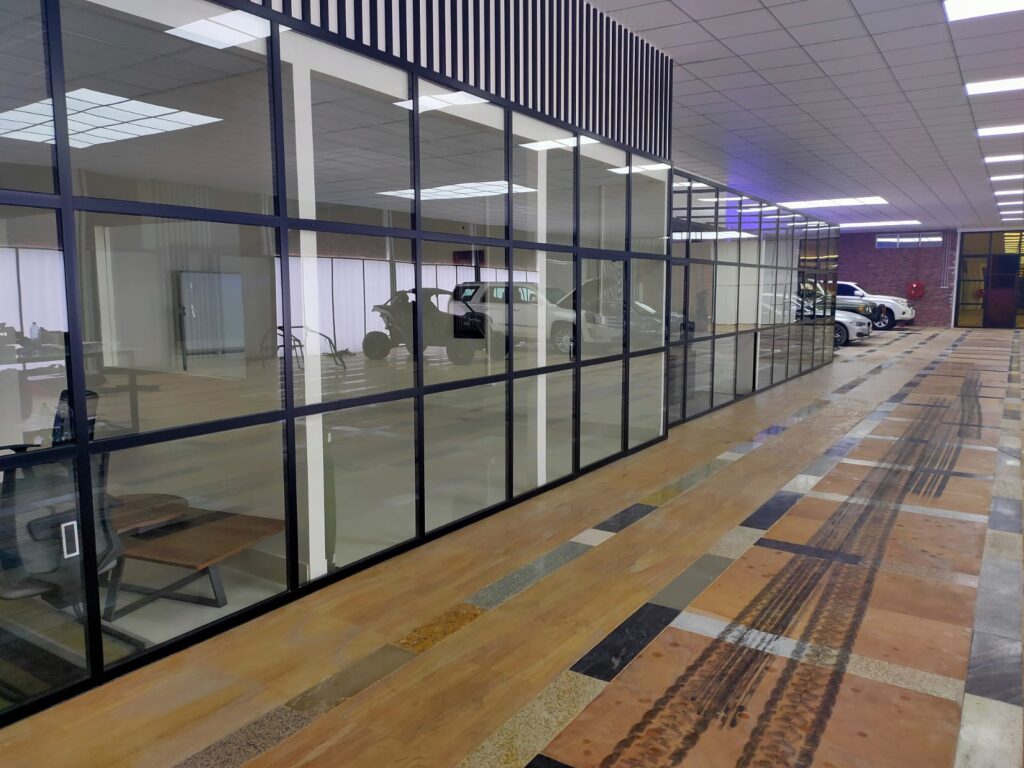
Premium Glass Solutions in Dubai: From Frameless Partitions to Curved Handrails Glasser Technical Works LLC has spent over seven years transforming Dubai’s most ambitious residential, commercial, and hospitality interiors with precision-engineered glass and aluminium solutions. From frameless glass partitions in DIFC towers to curved glass handrails in Palm Jumeirah villas, our Al Qusais workshop delivers European-grade craftsmanship tailored to the UAE’s unique climate and architectural demands. Whether you are an architect specifying a curtain wall, an interior designer sourcing back-painted glass feature walls, or a homeowner renovating a master bathroom, this guide covers everything you need to know about commissioning premium glass work in Dubai. Why Dubai’s Architecture Demands Specialist Glass Expertise Dubai’s built environment is unlike any other. Towering commercial floorplates in Business Bay and Sheikh Zayed Road demand maximum natural light penetration to justify premium rents. Luxury villas in Emirates Hills and Dubai Hills expect seamless indoor-outdoor transitions. Hospitality projects in Downtown and JBR require materials that withstand intense UV exposure, sand-laden winds, and rapid temperature fluctuations — all while maintaining a flawless aesthetic. Generic glass suppliers cannot meet these demands. At Glasser UAE, we combine European engineering standards with regional installation expertise. Our in-house fabrication workshop in Al Qusais means no third-party delays. Our direct relationships with leading European and Far-East glass mills ensure consistent quality and competitive pricing. Every project — from a single shower enclosure to a 5,000-square-metre office fit-out — receives the same disciplined project management, from free site survey through final snagging. Glass Partitions: Redefining Commercial and Residential Space What Makes Glass Partitions Essential in Dubai A glass partition is a non-load-bearing wall system built from tempered safety glass that divides interior space without blocking light. In Dubai’s commercial real estate market, where natural light and openness directly influence tenant attraction and staff retention, glass partitions have become the default specification for modern offices, clinics, banks, law firms, and retail showrooms. Unlike traditional drywall or block partitions, glass systems install in days rather than weeks, leave structural shells untouched, and can be dismantled and reused when your team grows or relocates. For tenanted spaces across DIFC, Business Bay, Dubai Marina, and JLT, this flexibility is commercially critical. Types of Glass Partitions We Install Frameless single-glazed partitions are the most popular choice for Dubai offices. Using 10mm or 12mm toughened glass with discrete top and bottom U-channels, they create clean floor-to-ceiling glass walls with minimal visible hardware. Acoustic performance typically reaches 32–38 dB — sufficient for open-plan zones and most meeting rooms. Double-glazed acoustic partitions use two panes of glass with a sealed air cavity, delivering 42–48 dB sound reduction. These are essential for HR rooms, boardrooms, legal practices, and clinics where speech privacy is non-negotiable. Framed aluminium partitions remain a cost-effective option for industrial and warehouse offices. Demountable systems — designed to be reconfigured — suit co-working operators and tenants on short leases. Investment and Timeline Single-glazed frameless 10mm partitions start around AED 350 per square metre installed; 12mm frameless from AED 450; double-glazed acoustic systems from AED 650 to AED 850 per square metre. Frameless glass doors with floor-spring pivots add AED 2,500 to AED 4,500 per door. Most projects move from enquiry to handover within 7–14 calendar days, including a free site survey, detailed CAD layout, and fabrication at our Al Qusais workshop. Back-Painted Glass: Bold Colour, Seamless Finish Transforming Feature Walls and Splashbacks Back-painted glass is tempered safety glass with a specialist paint coating applied to the rear surface, creating a glossy, uniform colour finish on the visible face. In Dubai’s interior design landscape, it has become the premium alternative to tiles, wallpaper, and painted plaster for feature walls, kitchen splashbacks, reception desks, and bathroom cladding. The advantage is both aesthetic and practical. Unlike tiles, there are no grout lines to trap dust or discolour. Unlike painted walls, the surface is non-porous, stain-resistant, and wipes clean with a damp cloth. For hospitality clients in Dubai’s hotel sector, back-painted glass delivers the high-end finish guests expect while meeting the rigorous hygiene standards of commercial operations. Customisation and Applications Glasser UAE offers back-painted glass in any RAL or Pantone colour, including metallic and pearlescent finishes. We can match corporate brand colours for office receptions, coordinate with interior palettes for residential projects, or specify classic whites and charcoals for timeless appeal. Popular applications include: Kitchen splashbacks — heat-resistant, easy-clean, and visually striking Reception feature walls — branded colours with concealed LED backlighting Bathroom wall cladding — fully waterproof and mould-resistant Retail display backdrops — durable, vibrant, and quick to install Antique mirror panels — distressed silvering for heritage or boutique aesthetics All back-painted glass is fabricated from toughened safety glass, edge-polished, and delivered with concealed fixings for a floating appearance. Shower Glass: Frameless Luxury for Every Bathroom Configurations for Dubai’s Diverse Properties Dubai’s residential market spans compact apartments in JVC and Business Bay to sprawling master suites in Emirates Hills and Palm Jumeirah. Shower glass solutions must adapt to every scale without compromising the frameless, minimalist aesthetic that defines luxury bathrooms. At Glasser UAE, we install walk-in fixed screens — the cleanest contemporary configuration, using a single 10mm panel with optional return panel and no door required. Hinged shower doors swing outward (or in-and-out with double-action hinges) and suit small to mid-size enclosures. Frameless sliding shower doors run on top-mounted stainless steel tracks and are the preferred choice for tighter bathroom layouts where a swing door would foul the vanity. For master bedrooms and luxury villa bathrooms, we install full glass partition walls separating wet and dry zones — usually paired with rain heads, body jets, and underfloor heating for a true spa experience. Glass Specifications and Nano Coating All shower glass is 10mm tempered safety glass as standard, polished on all exposed edges and toughened to BS EN 12150. For oversized panels or pivot configurations, we offer 12mm glass. Hardware finishes include polished chrome, brushed nickel, matte black, and brushed gold. We strongly recommend specifying a hydrophobic nano coating (Diamond Fusion,
Curved Glass Handrails Dubai
Curved Glass Handrails Dubai: Premium Curved Glass Railings for Luxury Properties Dubai’s architecture is defined by bold curves, sweeping lines, and breathtaking design. Curved glass handrails Dubai solutions embody this design philosophy, combining structural elegance with uncompromising safety. Whether you’re designing a luxury villa with a sweeping staircase, a boutique hotel with curved balconies, or a commercial space with dramatic walkways, curved glass handrails create unforgettable visual impact. Curved glass handrails Dubai transform ordinary spaces into architectural masterpieces. At Glasser Technical Works LLC, we specialise in crafting custom curved glass balustrades that combine exceptional craftsmanship with cutting-edge technology. Our curved glass solutions are designed to meet the unique requirements of Dubai’s most discerning architects, designers, and property owners. What Are Curved Glass Handrails? Curved glass handrails are custom glass balustrade systems featuring curved glass panels rather than standard straight panels. Curved glass handrails Dubai installations use high-quality tempered or laminated safety glass that has been thermally curved to achieve the desired radius. The glass is supported by stainless steel, aluminum, or brass hardware, creating a seamless, elegant barrier. Curved glass handrails can follow almost any radius, from gentle sweeps to tight spirals. They are typically installed on staircases, balconies, terraces, mezzanines, and walkways. The glass is usually 10mm to 15mm thick for structural integrity, with polished or bevelled edges for a premium finish. Hardware is engineered to accommodate the curved glass while providing robust support. Why Choose Curved Glass Handrails in Dubai? Dubai’s luxury real estate and commercial developments demand exceptional design. Curved glass handrails Dubai solutions meet these standards for several compelling reasons: 1. Architectural Elegance Curved glass handrails add a level of sophistication that straight railings cannot match. The graceful curves complement Dubai’s love for flowing, organic design, creating stunning visual statements in any property. 2. Unobstructed Views Glass handrails provide unobstructed views, making them perfect for properties with scenic outlooks. Whether overlooking Dubai’s skyline, the Arabian Gulf, or landscaped gardens, curved glass handrails maximise the visual experience. 3. Seamless Integration Curved glass handrails integrate seamlessly with modern architectural styles. The transparency of glass allows the design to flow uninterrupted, creating a sense of openness and continuity. 4. Safety Without Compromise Tempered safety glass provides robust protection while maintaining visual elegance. Curved glass handrails meet international safety standards, ensuring peace of mind without compromising design. 5. Property Value Enhancement Curved glass handrails are a hallmark of luxury and sophistication. Properties featuring these premium installations command higher values in Dubai’s competitive real estate market. 6. Low Maintenance Glass surfaces are easy to clean and maintain. Unlike traditional metal or wooden railings, glass handrails do not require painting, staining, or rust treatment. 7. Durability High-quality tempered glass and premium hardware ensure long-lasting performance, withstanding Dubai’s climatic conditions and daily use. Types of Curved Glass Handrails Available Several options are available for curved glass handrails Dubai, each suited to different applications and design preferences: Frameless Curved Glass Handrails Frameless systems use thick tempered glass (12mm-15mm) with minimal hardware, creating a seamless, almost invisible barrier. The glass is secured with concealed clamps or base shoes, offering a pure, modern aesthetic. This is the premium choice for luxury properties. Post-Supported Curved Glass Handrails Post-supported systems use stainless steel or aluminum posts to support the curved glass panels. The posts are strategically placed to follow the curve, providing robust support while maintaining visual openness. This system is ideal for longer runs and commercial applications. Base-Shoe Curved Glass Handrails Base-shoe systems feature a channel or shoe at the base that holds the glass panel. The curved glass is secured in the channel with gaskets and brackets. This system offers a clean, modern appearance and is popular in both residential and commercial applications. Spigot-Mounted Curved Glass Handrails Spigot systems use base-mounted spigots (posts) that clamp onto the glass, providing minimal visual interruption. This system is popular for its sleek, contemporary appearance and is suitable for both curved and straight applications. Top-Rail Curved Glass Handrails Top-rail systems feature a continuous handrail mounted on top of the glass panels. The handrail can be stainless steel, aluminum, or wood, providing additional support and a finishing detail. This is a popular choice for commercial applications where handrails are required by building codes. Key Benefits of Curved Glass Handrails The popularity of curved glass handrails Dubai stems from numerous advantages: Architectural Impact: Creates stunning visual statements in any property. Unobstructed Views: Maximises visibility and natural light penetration. Safety: Tempered safety glass provides robust protection. Durability: High-quality materials withstand Dubai’s climate. Low Maintenance: Easy to clean with standard glass cleaners. Design Flexibility: Available in virtually any radius and configuration. Property Value: Premium installations enhance property desirability. Modern Aesthetic: Clean, contemporary appearance. Customisation: Tailored to specific design requirements. Longevity: Quality materials ensure decades of reliable performance. Applications Across Dubai Curved glass handrails Dubai solutions are versatile and suitable for various applications: Luxury Villas: Staircases, mezzanines, balconies, and terraces. Hotels and Resorts: Grand staircases, overlooks, and balcony railings. Commercial Offices: Atriums, mezzanines, and elevated walkways. Retail Spaces: Showrooms, shopping malls, and premium boutiques. Restaurants and Cafes: Outdoor terraces, mezzanines, and feature areas. Residential Apartments: Balconies, terraces, and staircases. Public Buildings: Museums, galleries, and civic buildings. Healthcare Facilities: Hospitals and medical centres requiring safety and aesthetics. Curved Glass Handrails Cost Guide in Dubai Investing in curved glass handrails Dubai requires understanding the costs involved. Prices vary based on glass thickness, curve complexity, hardware quality, and installation requirements. Estimated Price Ranges (Per Linear Metre) System Type Price Range (AED) Features Base-Shoe Curved Glass (10mm) 800 – 1,500 Clean appearance, good durability Post-Supported Curved Glass (10mm) 900 – 1,600 Robust support, versatile Spigot-Mounted Curved Glass (12mm) 1,200 – 2,000 Sleek, minimal hardware Frameless Curved Glass (12mm-15mm) 1,500 – 2,500 Premium, seamless appearance Top-Rail Curved Glass System 1,300 – 2,200 Additional support, finishing detail Complex Curve Installation 1,800 – 3,000+ Tight radii, custom fabrication Prices are estimates. Final costs depend on glass thickness, curve complexity, hardware quality, and installation requirements. Additional Cost Factors Installation: AED 300 –
Mirrors Dubai
Mirrors Dubai: Premium Custom Mirrors for Luxury Homes and Commercial Spaces In Dubai’s world of luxury design, mirrors are more than functional objects—they are essential design elements that transform spaces. Mirrors Dubai solutions from Glasser Technical Works LLC combine exceptional craftsmanship with innovative design, creating pieces that enhance light, space, and aesthetics. Whether you’re designing a luxury villa, a corporate office, or a boutique hotel, premium mirrors elevate any interior. Mirrors Dubai offer endless possibilities for creating stunning visual effects, maximising natural light, and adding depth to interiors. At Glasser Technical Works LLC, we specialise in crafting custom mirror solutions that meet the unique requirements of Dubai’s discerning clients. From full-length wall mirrors to decorative accent pieces, our mirrors are designed to impress. What Are Custom Mirrors? Custom mirrors are bespoke glass products manufactured to specific size, shape, and finish requirements. Unlike standard off-the-shelf mirrors, mirrors Dubai custom solutions are tailored to fit unique spaces and design visions. Premium mirrors feature high-quality float glass with silver, copper, or aluminium backing for superior reflection and durability. Custom mirrors can be produced in virtually any shape—rectangular, circular, oval, or organic forms. They can include decorative bevels, polished edges, or custom framing. Advanced fabrication techniques allow for intricate cuts, holes for mounting, and specialised finishes such as antiqued, tinted, or back-painted designs. Why Choose Premium Mirrors in Dubai? Dubai’s architecture and interior design demand excellence. Mirrors Dubai premium solutions meet these standards for several compelling reasons: 1. Enhanced Natural Light Dubai enjoys abundant sunshine year-round. Strategically placed mirrors maximise natural light by reflecting it throughout interior spaces, reducing the need for artificial lighting and creating bright, welcoming environments. 2. Creating Illusions of Space In Dubai’s urban apartments and compact commercial spaces, mirrors create the illusion of expanded space. A well-placed mirror can make a room appear twice its size, adding value and visual appeal. 3. Design Versatility Custom mirrors can be designed to complement any interior style—from ultra-modern minimalism to classic elegance. Available in countless shapes, sizes, and finishes, mirrors are one of the most versatile design elements available. 4. Property Value Enhancement Premium mirror installations significantly enhance property value. Whether in residential villas or commercial properties, quality mirrors are a hallmark of luxury and sophistication. 5. Functional Excellence Beyond aesthetics, mirrors serve essential functions—from bathroom grooming to fitness studio observation and security applications. Premium mirrors deliver superior reflection clarity and durability. 6. Energy Efficiency By reflecting natural light, mirrors reduce reliance on artificial lighting, contributing to energy efficiency—a growing priority in Dubai’s sustainable building initiatives. Types of Mirrors Available Several options are available for mirrors Dubai, each suited to different applications and design preferences: Wall Mirrors Wall mirrors are large-format mirrors mounted on walls, serving both functional and decorative purposes. They are popular in living rooms, bedrooms, lobbies, and commercial spaces. Available in countless shapes and sizes, they can be framed or frameless. Full-Length Mirrors Full-length mirrors extend from floor to ceiling or are mounted to provide a complete reflection. Essential for bedrooms, dressing rooms, and retail fitting rooms, they combine functionality with elegance. Bathroom Mirrors Bathroom mirrors are specially designed for high-humidity environments. They feature moisture-resistant backing and may include integrated lighting, demisters, and magnification options for enhanced functionality. Decorative Mirrors Decorative mirrors are designed as statement pieces. They may feature unique shapes, bevels, etching, or custom framing. These mirrors serve as artwork, adding visual interest and personality to any space. Antiqued and Distressed Mirrors Antiqued mirrors feature a vintage, aged appearance created through specialised manufacturing processes. They add character and warmth, popular in classic and eclectic interior designs. Back-Painted Mirrors Back-painted mirrors have coloured paint applied to the rear surface, visible through the glass. Available in any colour, they create striking, customised design statements. Commercial and Safety Mirrors Commercial mirrors include convex safety mirrors, observation mirrors, and specialised mirrors for retail, security, and industrial applications. They are designed for durability and specific functional requirements. LED and Illuminated Mirrors LED mirrors incorporate integrated lighting for enhanced visibility. Popular in bathrooms, dressing rooms, and hospitality applications, they combine illumination with reflection for optimal functionality. Key Benefits of Quality Mirrors The popularity of mirrors Dubai premium solutions stems from numerous advantages: Light Enhancement: Reflects and amplifies natural and artificial light. Space Optimisation: Creates the illusion of larger, more open spaces. Design Impact: Adds sophistication, depth, and visual interest. Versatility: Suitable for residential, commercial, and hospitality applications. Customisation: Available in any size, shape, and finish. Durability: High-quality glass and backing ensure longevity. Reflection Quality: Premium silver backing provides superior clarity. Functionality: Serves practical and decorative purposes. Property Value: Enhances property appeal and desirability. Energy Efficiency: Maximises natural light, reducing energy consumption. Applications Across Dubai Mirrors Dubai solutions are versatile and suitable for various applications: Residential Properties: Luxury villas, apartments, and penthouses across Dubai. Hotels and Hospitality: Guest rooms, lobbies, restaurants, and spas. Commercial Offices: Corporate lobbies, meeting rooms, and executive offices. Retail Spaces: Boutiques, showrooms, and fitting rooms. Health and Fitness: Gyms, studios, and wellness centres. Healthcare Facilities: Hospitals and clinics requiring hygienic, functional mirrors. Educational Institutions: Schools, universities, and training facilities. Salons and Spas: Beauty salons, barbershops, and spa treatment rooms. Mirrors Cost Guide in Dubai Investing in mirrors Dubai requires understanding the costs involved. Prices vary based on glass thickness, finish, customisation, and installation requirements. Estimated Price Ranges (Per Square Metre) Mirror Type Price Range (AED) Features Standard Wall Mirror (6mm) 200 – 400 Clear reflection, standard backing Premium Wall Mirror (6mm) 350 – 600 Superior silver backing, high clarity Full-Length Mirror (6mm) 400 – 800 Floor-to-ceiling, polished edges Bathroom Mirror (6mm) 300 – 500 Moisture-resistant backing Decorative Beveled Mirror 450 – 900 Beveled edges, custom shapes Antiqued/Distressed Mirror 500 – 1,000 Vintage appearance, character Back-Painted Mirror 400 – 800 Custom colour, seamless finish LED Illuminated Mirror 800 – 1,500+ Integrated lighting, premium finish Prices are estimates. Final costs depend on glass thickness, finish type, customisation complexity, and installation requirements. Additional Cost Factors Installation: AED 150 – 500 per square metre
Back Painted Glass Dubai
Back Painted Glass Dubai: Premium Coloured Glass Solutions for Modern Interiors In Dubai’s world of luxury interior design, colour and finish matter immensely. Back painted glass Dubai solutions have emerged as a favourite among architects, interior designers, and homeowners seeking vibrant, durable, and sophisticated surfaces. Whether you’re designing a contemporary kitchen, a luxurious bathroom, or a striking commercial space, back painted glass offers endless creative possibilities. Back painted glass Dubai combines the elegance of glass with the versatility of custom colours. At Glasser Technical Works LLC, we specialise in crafting premium back painted glass solutions that elevate interiors with rich, durable colour and a flawless finish. Our custom solutions are designed to meet the unique aesthetic and functional requirements of Dubai’s discerning clients. What Is Back Painted Glass? Back painted glass, also known as painted glass or coloured glass, is a high-quality glass panel with paint applied to the rear surface. The paint is typically applied in a controlled environment using specialised techniques, ensuring a smooth, consistent finish. Back painted glass Dubai installations feature tempered safety glass with a durable, scratch-resistant painted backing. The paint is visible through the glass, creating a vibrant, glossy surface that is both beautiful and practical. The glass protects the paint from damage, ensuring long-lasting colour and durability. Back painted glass can be produced in virtually any colour, offering unlimited design possibilities for residential and commercial interiors. Why Choose Back Painted Glass in Dubai? Dubai’s interior design scene demands innovation, quality, and style. Back painted glass Dubai solutions meet these demands for several compelling reasons: 1. Unlimited Colour Options Back painted glass can be produced in any RAL or custom colour, allowing designers to achieve precise colour matching. Whether you need a bold statement colour or a subtle neutral, back painted glass delivers consistent, vibrant colour every time. 2. Durable and Long-Lasting The painted surface is protected by the glass layer, making it resistant to scratches, stains, and fading. This durability makes back painted glass ideal for high-traffic areas and applications where longevity is essential. 3. Easy to Clean and Maintain Back painted glass surfaces are non-porous and resistant to bacteria, mould, and mildew. They are easy to clean with standard glass cleaners, making them perfect for kitchens, bathrooms, and commercial spaces. 4. Modern Aesthetic Appeal The glossy, reflective surface of back painted glass adds a contemporary feel to any space. It creates a sense of depth and sophistication that enhances the overall design. 5. Hygienic Surface Back painted glass is non-porous and does not harbour bacteria or allergens. This makes it an excellent choice for healthcare facilities, kitchens, and bathrooms where hygiene is paramount. 6. Heat and Moisture Resistance Back painted glass is resistant to heat and moisture, making it suitable for kitchen splashbacks, bathroom walls, and other areas exposed to steam and temperature changes. Types of Back Painted Glass Available Several options are available for back painted glass Dubai, each suited to different applications and design preferences: Standard Back Painted Glass This features a solid colour applied to the back of the glass. It offers a clean, uniform appearance and is available in a wide range of colours. Standard back painted glass is suitable for splashbacks, wall cladding, and furniture applications. Textured Back Painted Glass Textured back painted glass combines colour with texture, creating visual and tactile interest. The texture can be applied to the surface or created through the paint application process, offering a unique design element. Printed Back Painted Glass Printed back painted glass features digital printing on the reverse side, allowing for intricate patterns, images, or designs. This option is ideal for feature walls, branding, and artistic applications. Metallic Back Painted Glass Metallic back painted glass incorporates metallic pigments into the paint, creating a shimmering, reflective finish. This premium option adds a touch of luxury and sophistication to any space. Gloss and Matt Finish Options Back painted glass is available in both gloss and matt finishes. Gloss finishes offer a reflective, high-shine appearance, while matt finishes provide a subtle, sophisticated look that reduces glare. Key Benefits of Back Painted Glass The popularity of back painted glass Dubai stems from numerous advantages: Vibrant Colour: Rich, consistent colour that doesn’t fade over time. Durability: Scratch-resistant and long-lasting surface. Easy Maintenance: Simple cleaning with standard glass cleaners. Hygienic: Non-porous surface resists bacteria and mould. Versatility: Suitable for walls, splashbacks, furniture, and more. Customisation: Available in any colour and finish. Modern Aesthetic: Glossy, contemporary appearance. Heat Resistance: Suitable for kitchen applications. Moisture Resistance: Ideal for bathrooms and wet areas. Property Value: Premium finish enhances property desirability. Applications Across Dubai Back painted glass Dubai solutions are versatile and suitable for various applications: Kitchen Splashbacks: Durable, easy-to-clean surfaces behind cooktops and sinks. Bathroom Walls: Moisture-resistant walls in showers and vanity areas. Feature Walls: Striking accent walls in living rooms, lobbies, and offices. Furniture: Tabletops, cabinet fronts, and shelving. Commercial Spaces: Reception areas, showrooms, and retail environments. Healthcare Facilities: Hygienic wall surfaces in hospitals and clinics. Educational Institutions: Durable, easy-to-clean surfaces in schools. Hotel Interiors: Luxury finishes in guest rooms and public areas. Back Painted Glass Cost Guide in Dubai Investing in back painted glass Dubai requires understanding the costs involved. Prices vary based on glass thickness, colour complexity, and finish type. Estimated Price Ranges (Per Square Metre) Glass Type Price Range (AED) Features Standard Back Painted (6mm) 250 – 400 Solid colour, standard finish Standard Back Painted (8mm) 300 – 500 Increased durability, standard finish Textured Back Painted 350 – 550 Visual and tactile interest Metallic Back Painted 400 – 600 Shimmering, premium finish Printed Back Painted 450 – 700 Custom patterns and imagery Matt Finish Back Painted 350 – 550 Subtle, non-reflective finish Prices are estimates. Final costs depend on glass thickness, colour complexity, finish type, and custom fabrication requirements. Additional Cost Factors Installation: AED 150 – 300 per square metre Custom Colour Matching: AED 100 – 300 per colour Specialist Finishes: AED 100 – 200 for premium finishes Edge Polishing: AED 50 –